Exploring Realistic Plinko Ball Movement Dynamics
Plinko is a captivating game that merges chance and strategy, and the allure of watching a ball descend through a series of pegs enlivens the gaming experience. The dynamics of Plinko Ball Movement With Realistic Mechanics Plinko game offer a unique intersection of physics and probability, making it worthy of exploration. In this article, we will examine the realistic movement of the Plinko ball, breaking down the forces at play and their implications on gameplay.
The Basics of Plinko
Originating from the popular TV game show “The Price is Right,” Plinko has made its jump into online gaming and casinos. The premise is simple: players drop a ball from the top of a vertical board adorned with pegs, each influencing the ball’s path until it finally lands in one of several slots at the bottom, each offering different prizes.
The Game Setup
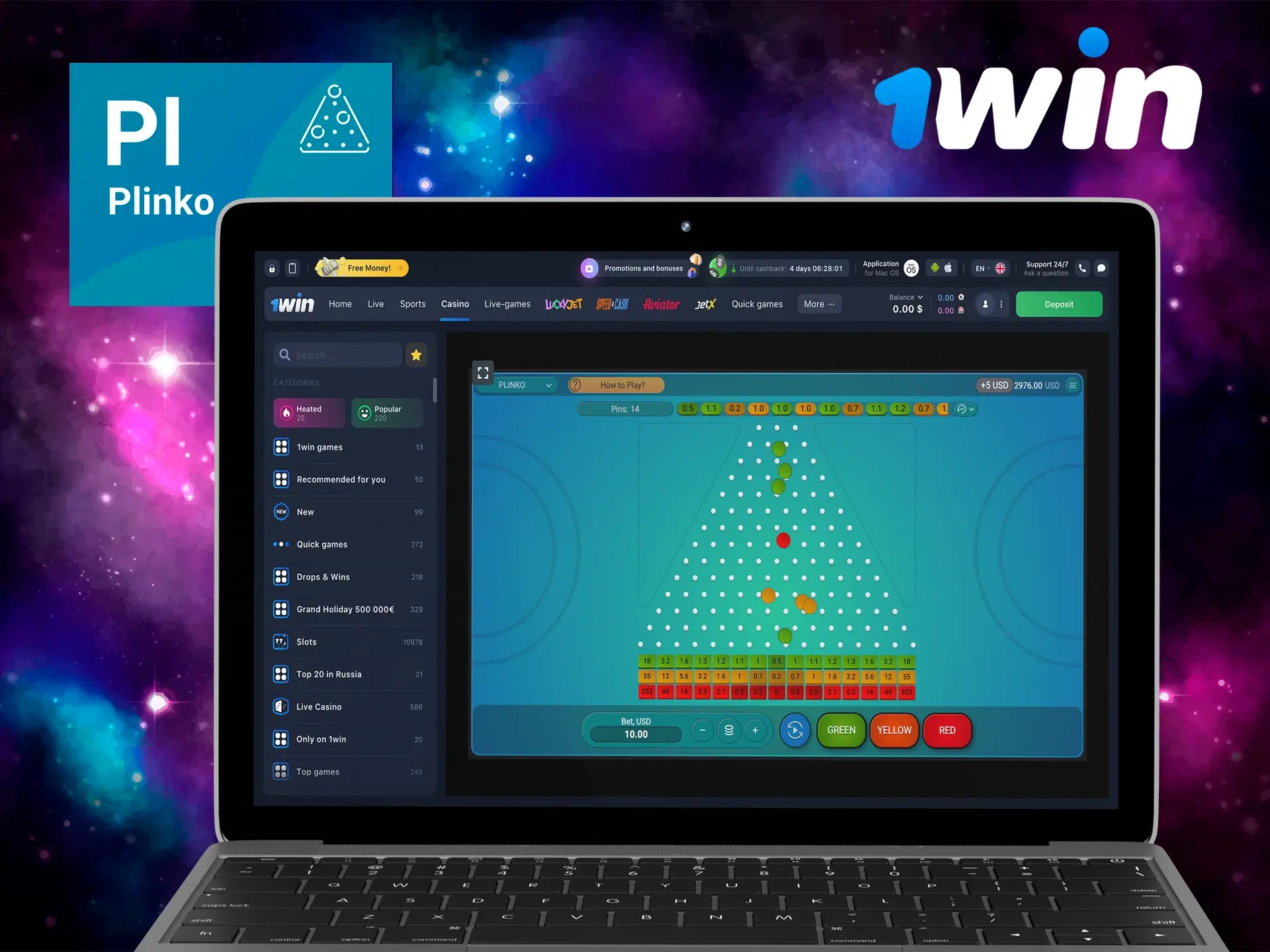
A traditional Plinko board consists of a series of pegs arranged in a triangular pattern. The board is typically tall, creating a significant drop for the ball, which increases the randomness of its movement. Each peg the ball strikes alters its trajectory, introducing variables that affect the final landing slot. With varying prize values in each slot, the game’s design cleverly incorporates elements of chance and strategy.
Physics Behind Plinko Ball Movement
The Plinko ball’s journey is governed by classical mechanics, specifically Newton’s laws of motion. Understanding these principles provides insight into the game’s inherent unpredictability.
Gravity’s Role
Gravity is the primary force driving the ball downward. Once released, the force of gravity accelerates the ball towards the ground. As the ball descends, its speed increases until it collides with the first peg, resulting in a change of direction. This interaction is a perfect example of gravitational potential energy converting to kinetic energy. The higher the drop, the more potential energy is present, translating to greater speeds and impact upon collisions with pegs.
Impact and Bounce Mechanics
The way the ball interacts with pegs is critical to understanding its movement. When the ball strikes a peg, two primary forces come into play: the normal force and the frictional force. The normal force pushes the ball away from the peg, while friction can slightly dampen the ball’s speed. The angle of impact will also influence the direction the ball takes after hitting a peg; thus, each collision causes a cascade of results leading the ball further down the board.
The Randomness of Plinko
The randomness in Plinko is a direct result of the myriad paths the ball can take, influenced by the arrangement of pegs and the initial conditions of the drop. This aspect is deeply rooted in chaos theory, where small variations in initial conditions can lead to vastly different outcomes. As the ball travels through the numerous pegs, each impact slightly alters its trajectory, creating a hyper-complex path that is nearly impossible to predict accurately.
Probability and Strategy
While Plinko is largely a game of chance, skilled players often develop strategies based on probability theory. Understanding the game board’s layout and the average path the ball takes can help players make informed decisions about where to drop the ball. For instance, examining the distribution of previous outcomes might reveal trends that could influence future drops.
Modern Adaptations and Technology
With the rise of online gaming and simulation technologies, many digital versions of Plinko have emerged. These virtual platforms employ advanced physics engines to replicate realistic ball movement. The underlying math models account for gravity, momentum, and collisions, simulating a genuine Plinko experience from the comfort of a player’s home.
Incorporating Real-World Physics in Digital Games
Real-world physics simulations are critical in making online games appealing. Gamers expect an experience resembling the physical world; thus, developers invest heavily in creating realistic models of motion, collision, and restitution. This attention to detail not only enhances player engagement but also cultivates a deeper appreciation for the laws of physics that govern our reality.

Conclusion
Plinko is more than just a simple game; it encapsulates the intricate interplay between chance, strategy, and the laws of physics. The realistic movement of the Plinko ball, influenced by gravity and the pegs it encounters, provides a fascinating case study in mechanics. As technology continues to evolve, the implementation of these principles in both physical and digital formats of the game will undoubtedly continue to enthrall players. Whether in a traditional board game setting or a modern online platform, the thrill of watching a Plinko ball bounce its way to fortune will surely remain a timeless attraction.